
Drywood Termite Control in Orange County, CA
Advantage Termite & Pest Company has helped Orange County homeowners treat drywood termite activity since 1990, with treatment plans built around your property, not a generic quote.
What Are Drywood Termites?
Drywood termites infest the wood inside homes and other structures. Unlike subterranean termites, they don't need contact with soil to survive, which makes them a distinct threat to furniture, wall framing, and ceilings, anywhere dry wood is present.
Left untreated, drywood termites feed on cellulose, the main component of wood, gradually weakening the structural integrity of your property. Catching an infestation early can help you avoid costly repairs down the line.
Our Drywood Termite Services
We start every job with a thorough inspection of your property to identify signs of drywood termite activity and determine the right course of action. Once we understand the extent of the infestation, we build a treatment plan around your specific property.
Depending on what we find, our specialists use local treatments, fumigation, or a combination of preventative measures to treat drywood termites and recommend steps to help reduce future activity.


What Do Drywood Termites Look Like?
Drywood termites spend most of their time hidden deep inside the wood they're infesting, out of sight and out of mind. That's part of what makes them so hard to catch early: for long stretches, there's nothing visible to see at all.
When They Swarm, They Have Wings
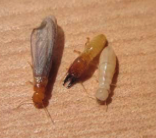
The times you're most likely to actually see a drywood termite are during a swarm. Swarmers grow wings, are pale in color, and measure around 3/8 of an inch long, often mistaken for flying ants. But they're easy to tell apart once you know what to look for: straight antennae, a uniform waist (no pinched "wasp waist" like an ant), and two pairs of wings that are equal in length.
Swarming isn't random. It's how drywood termites start new colonies, meaning they're essentially opening up an additional location of activity inside or around your home. Seeing a swarm can point to an active colony nearby and shouldn't be ignored.
Droppings Are Usually the First Clue
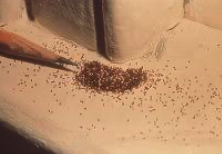
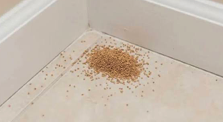
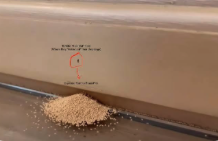
Before most homeowners ever see a swarm, the first thing they actually notice is droppings, called frass. Frass looks like small, sand- or pellet-like granules, often mistaken for sawdust or ground pepper, and tends to collect in small piles beneath infested wood, on windowsills, or along baseboards. If you're seeing these piles, it can be a sign of drywood termite activity nearby.
Wings & Swarmers
Winged swarmers can signal a mature colony nearby. Look for straight antennae and evenly sized wings.
Frass (Droppings)
Small, gritty pellet piles near baseboards, windowsills, or infested wood are usually the very first warning sign.
How to Get Rid of Drywood Termites
Drywood termites are skilled at hiding deep within the wood of your home, which makes them a challenging pest to treat without professional help. Our team treats infested areas directly and builds a plan designed to lower your chances of costly, structural damage down the road.
In many cases, an infestation can be localized, treated, and monitored without fumigation at all, and in some cases without needing to leave your home. Our team monitors the situation closely and treats only what needs to be treated.
For more widespread or severe infestations, fumigation is sometimes the most reliable option. The process involves tenting your home and introducing a gas that reaches termites throughout the structure. We'll walk you through exactly what we find during your inspection and recommend the option that fits your situation best, tenting isn't always necessary.
How to Prevent Drywood Termites
Taking preventative steps can help protect your property over the long term. A few consistent habits can help limit the damage drywood termites can do now and in the future.
Seal Cracks & Crevices
Seal any cracks and crevices in your home's exterior to help keep termites from finding a way inside.
Clear Woodpiles & Debris
Keep woodpiles and yard debris away from your home, since they can attract termites close to your property.
Watch for Warning Signs
Monitor your home regularly for discarded wings, small frass (droppings), or wood that sounds hollow when tapped.

Family Owned Since 1990
Advantage Termite & Pest Company has served Orange County since 1990. Our team is highly trained across all termite types, including drywood termites, and works to treat infestations carefully, without cutting corners.
We use current techniques and equipment to treat termite infestations, and we explain what we find and what we recommend in plain language. Customer satisfaction guides every job we take on.
Suspect a Drywood Termite Infestation?
Don't wait. Call Advantage Termite & Pest Company to talk through what you're seeing and set up an inspection across Orange County.