
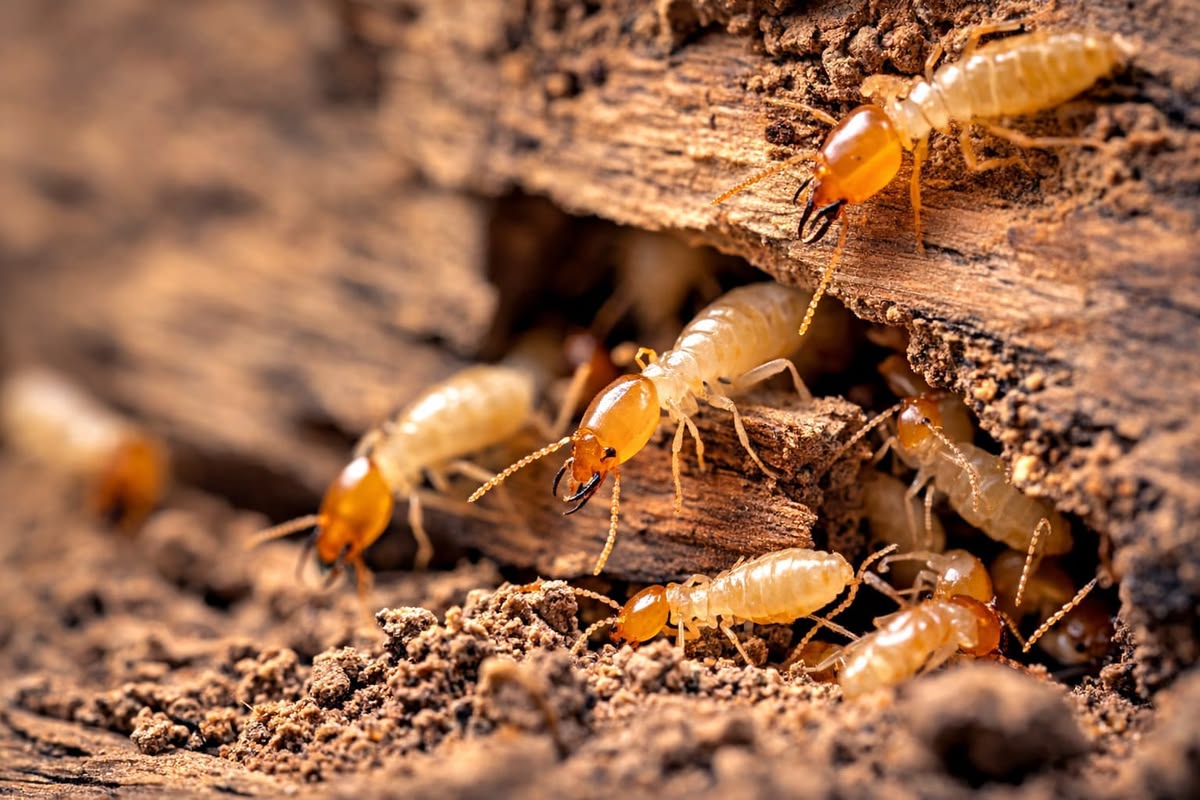
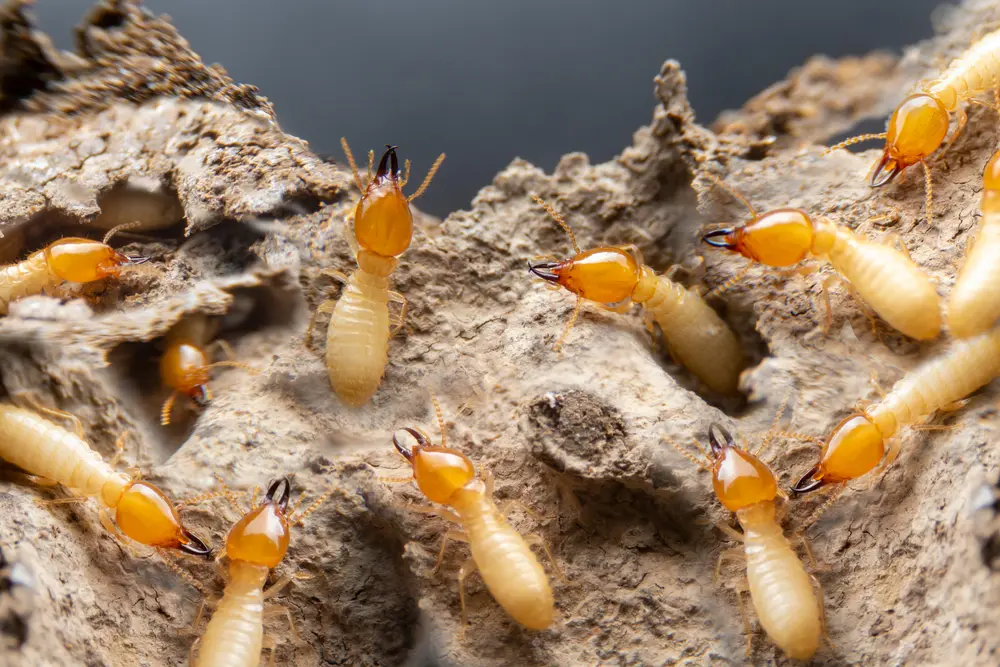
Termite infestations can be a nightmare for property managers and owners, especially in places like Orange County, CA, where the climate creates ideal conditions for termites to thrive. Whether you're managing a homeowner association (HOA) or a multi-family property, spotting the early signs of a termite infestation is critical to minimizing damage and avoiding expensive repairs. In this article, we'll go over the top warning signs of termite infestation, how they affect HOA and multi-family properties, and why it's important to act quickly.
Why Termites Are a Serious Threat to Orange County HOAs and Multi-Family Properties
Orange County, CA, is known for its beautiful weather, but the warm, mild climate is also an invitation for termites. The combination of wood structures and the environment creates conditions where termites can quietly spread across a property.
Termites are small but mighty when it comes to destruction. They feed on wood, paper, insulation, and other cellulose-based materials commonly found in homes. This can lead to serious structural damage, which often goes unnoticed until it's well underway. For HOAs and multi-family property managers, this can mean costly repair bills, higher insurance premiums, and frustrated tenants or homeowners.
Termite damage is often invisible until it's extensive, so identifying the warning signs early is crucial to preventing long-term issues. The earlier you catch a termite infestation, the easier, and less costly, it is to address.
The Different Types of Termites in Orange County, CA
Before diving into the warning signs, it helps to know the types of termites common in Orange County. Understanding which type you're dealing with makes it easier to recognize the right signs of an infestation.
Subterranean Termites
The most common type, and the cause of the most damage. They live in underground colonies and build mud tubes to reach above-ground food sources.
Subterranean Termite Services →Drywood Termites
Prefer drier wood, such as attic framing or structural lumber. They don't need contact with soil to survive, which makes them harder to detect.
Drywood Termite Services →Dampwood Termites
As their name suggests, dampwood termites live in moist wood. They're less common in Orange County than subterranean and drywood termites, but can still cause damage in areas with excess moisture.
Top Warning Signs of a Termite Infestation
The tricky part about termite infestations is that they can be happening right under your nose without you realizing it. Here are the top warning signs that your HOA or multi-family property might have a termite infestation.
Mud Tubes
Mud tubes are one of the most telltale signs of subterranean termites. These pencil-sized tubes are made of dirt, wood particles, and termite saliva, and protect termites as they travel between their colony and their food source.
- Tubes about the width of a straw or pencil
- Often along the foundation, walls, or in crawl spaces
Discarded Wings
When termites swarm, they shed their wings. Piles of discarded wings near windowsills, door frames, or other entry points signal that termites have either entered your property or are preparing to establish a colony nearby.
- Window ledges
- Light fixtures
- Vent openings
Hollow-Sounding Wood
Termites eat wood from the inside out, so damage often isn't visible until it's advanced. Tap on wooden structures, walls, floors, or furniture. If the wood sounds hollow or papery, termites may have been feeding on it.
Use a screwdriver or small tool to gently press on the wood. If it easily punctures the surface, you may have an infestation.
Frass (Termite Droppings)
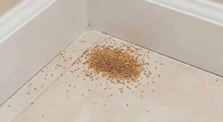
Drywood termites leave behind small piles of droppings known as frass. These look like tiny pellets and often collect near baseboards, windowsills, or in the attic, a sign that termites are nesting inside the wood.
- Along baseboards and windowsills
- In attics or storage spaces
Cracked or Bubbling Paint
Termites produce moisture as they eat through wood, which can cause paint to bubble or peel. This often looks like water damage but can actually be a sign of termites working behind the surface.
- Paint that bubbles or peels without an obvious leak
- Buckling wood or sagging ceilings and walls
Faint Tapping or Clicking Sounds
If you listen closely, you may hear faint clicking or tapping noises coming from within your walls. These sounds come from termites moving and feeding inside the wood.
During quiet times, especially at night, you're more likely to notice termites working inside your walls.
Swarming Termites
Swarming is how termites leave an existing colony to establish new ones. Seeing large numbers of flying termites around your property is a clear indication of an active infestation, either on-site or nearby.
- Near light sources (termites are drawn to light)
- During warmer months, especially after rain
Special Concerns for HOAs and Multi-Family Properties in Orange County
Managing termite infestations in HOA communities or multi-family properties comes with unique challenges. Unlike single-family homes, these properties often share walls, roofs, and landscaping, which means an infestation in one area can spread to neighboring units. Larger buildings also have more wood, insulation, and other materials for termites to feed on, which raises the potential for significant damage.
Communal Responsibility
In HOA communities, responsibility for addressing termite infestations can sometimes be unclear. Generally, exterior damage falls to the HOA while interior damage falls to the homeowner, but this varies by community. Review your CC&Rs (Covenants, Conditions, and Restrictions) so everyone is clear on who's responsible for treatment.
Multi-Family Properties
For apartment complexes or condo buildings, managing an infestation can be even more complex, since a problem in one unit can spread to others. Regular inspections and maintenance help property managers catch activity early, before it affects multiple units.
Steps to Take if You Suspect a Termite Infestation
If you notice any of these warning signs, here's what to do next.
Schedule a Professional Inspection
Bring in a licensed pest control company that specializes in termite inspections to identify the type of termite, the extent of the activity, and the right treatment plan.
Communicate with Residents
In an HOA or multi-family property, keep residents informed about the issue, the treatment plan, and any precautions they should take. Our FAQs page is also a handy resource to share with residents who have questions.
Plan for Treatment
Depending on severity, treatment may mean localized, targeted treatment or, in some cases, whole-building fumigation. Your pest control company can walk you through the right option.
Implement Preventative Measures
After treatment, take steps to lower future risk: regular inspections, sealing foundation cracks, addressing excess moisture, and replacing damaged wood.